
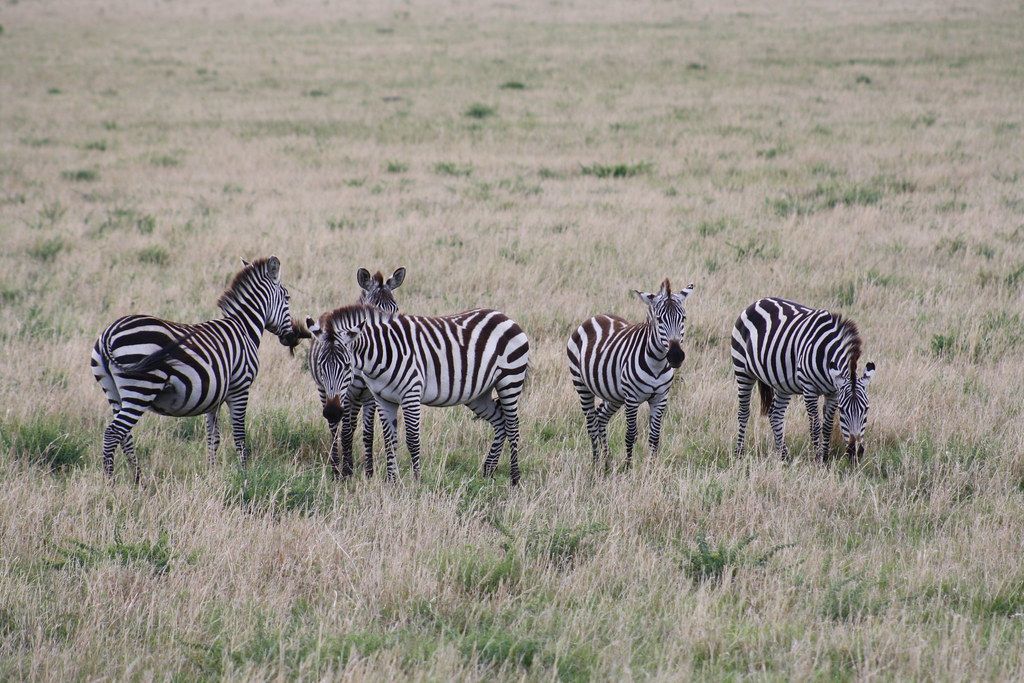
A safari is a way of travelling as much as a list of animals. The vehicle you sit in, whether you walk, where you sleep and how you behave around animals and people all change what you see and the mark you leave behind. None of the choices below is right for everyone. They are worth thinking about before you go, rather than discovering on the first morning.
Pop-up roofs and open sides
Most safaris in Kenya's national parks and reserves use closed vehicles with a roof that lifts up, so passengers can stand and look out from above. Minivans with pop-up roofs are common on the main routes, and four-wheel-drive vehicles with the same roof go further into rougher country. They keep out dust and rain, and the raised roof gives a good view and shade.
In private and community conservancies, and in some remote areas, open-sided vehicles are more usual. They give a wider view and better photography, and you feel closer to the land. They are also more exposed to sun, wind, rain and cold, especially in the early morning. Whatever the vehicle, ask how many people share it: a vehicle with a window seat for everyone makes a long day far more comfortable.
On foot with a ranger
Walking changes the scale of everything. On foot you notice tracks, dung, insects, plants and birdsong, and the smaller life of the bush that a vehicle drives straight past. Large animals feel very different when there is no metal between you and them.
Walking safaris in areas with dangerous animals are led by trained guides, often with an armed ranger from the Kenya Wildlife Service or the conservancy. Listen to the briefing, walk in single file, keep quiet and follow every instruction at once. Never run from an animal. Walking is allowed only in certain areas and under certain conditions. Some parks, such as Hell's Gate near Lake Naivasha, allow walking and cycling without a guide in parts.
Where you sleep
Accommodation on a Kenyan safari covers a wide range. Public campsites in the parks offer basic facilities, often a toilet block and a cleared pitch, and you bring everything else. Tented camps range from simple to very comfortable, with canvas walls and beds. Lodges are permanent buildings with fuller services.
The choice affects more than comfort. Sleeping under canvas you hear the bush at night: lions calling, hyenas, hippos grazing near the tent. Small camps in remote areas spread visitors more thinly across the land. Ask how any place handles its water, waste and energy, and whether it employs and buys from the communities around it.
Most camps and lodges in wildlife areas are unfenced, so animals move freely through them, especially at night. After dark, stay inside or walk only with the staff who escort guests, and keep tent zips closed. Follow the instructions you are given on arrival: they exist because elephants, buffalo and hippos do pass between the tents.
Conservancies
Around many of Kenya's parks, especially the Masai Mara and Laikipia, much of the land belongs to communities or private landowners. Community and private conservancies have been set up on this land, where landowners lease it for wildlife and tourism and receive payment in return. Conservancies often limit the number of visitors and vehicles, and many allow activities not permitted in the national reserves, such as night drives, walking and off-road driving to sightings under strict rules.
When they work well, conservancies give communities a direct reason to protect wildlife, and they spread visitors more thinly. They also involve complex questions about land, leases and who benefits, and they do not all work the same way. Asking questions about how a conservancy shares its income is fair and useful.
Distance and patience
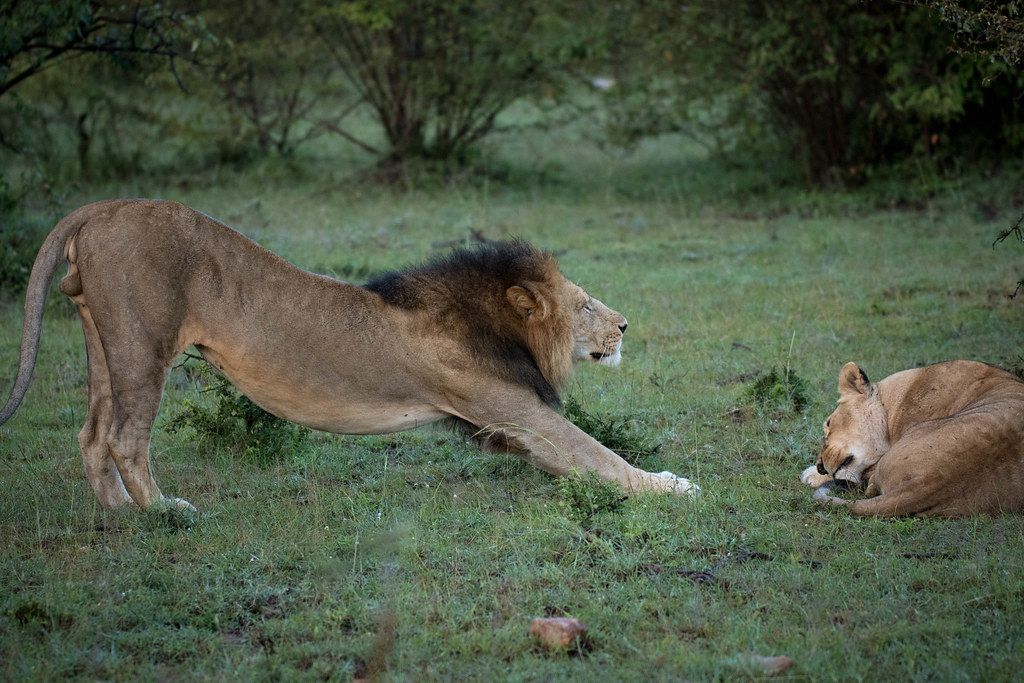
The single most important rule is distance. Watch the animal, not the camera: if it stops feeding, raises its head, changes direction or moves away, you are too close. Back off slowly and give it room. Keep voices low, switch off the engine when you stop, and do not stand up or wave through the roof to attract attention.
Stay on the tracks wherever off-road driving is not allowed, which includes most national parks and reserves. Do not crowd a sighting. If several vehicles are already around a lion or a cheetah, wait your turn at a distance or move on. Never feed animals, including monkeys and birds around camps, and never throw food or litter from a vehicle. Drones need permits in Kenya and are banned in many protected areas without permission.
When predators are hunting, give them the most space of all. A vehicle that moves into a cheetah's line of approach, or blocks a lioness stalking a herd, can ruin a hunt that the animal needed to eat. Stay back, keep still and let it happen without you. The same goes for animals with young, at waterholes and at river crossings, where vehicles crowding the bank can turn animals away from the water.
A good guide makes much of this easy. Experienced guides read animal behaviour, know when to wait and when to move on, and follow the rules even when guests ask them not to. Support that: do not pressure a guide to drive closer, go off-road or stay longer than the rules allow.
Avoid any attraction that offers rides on wild animals, close handling or performances. Kenya bans single-use plastic bags, and single-use plastics are not allowed in protected areas; carry a refillable bottle.
People, not scenery
Many safari areas are home to pastoralist communities, including the Maasai and the Samburu. They are people living their own lives on their own land, not part of the view. Ask before taking any photograph of a person, accept a no without argument, and do not photograph children without a parent's permission. If you visit a village, ask how the fee is shared and who benefits.
For the seasons and how they affect your choices, see when to go on safari.