
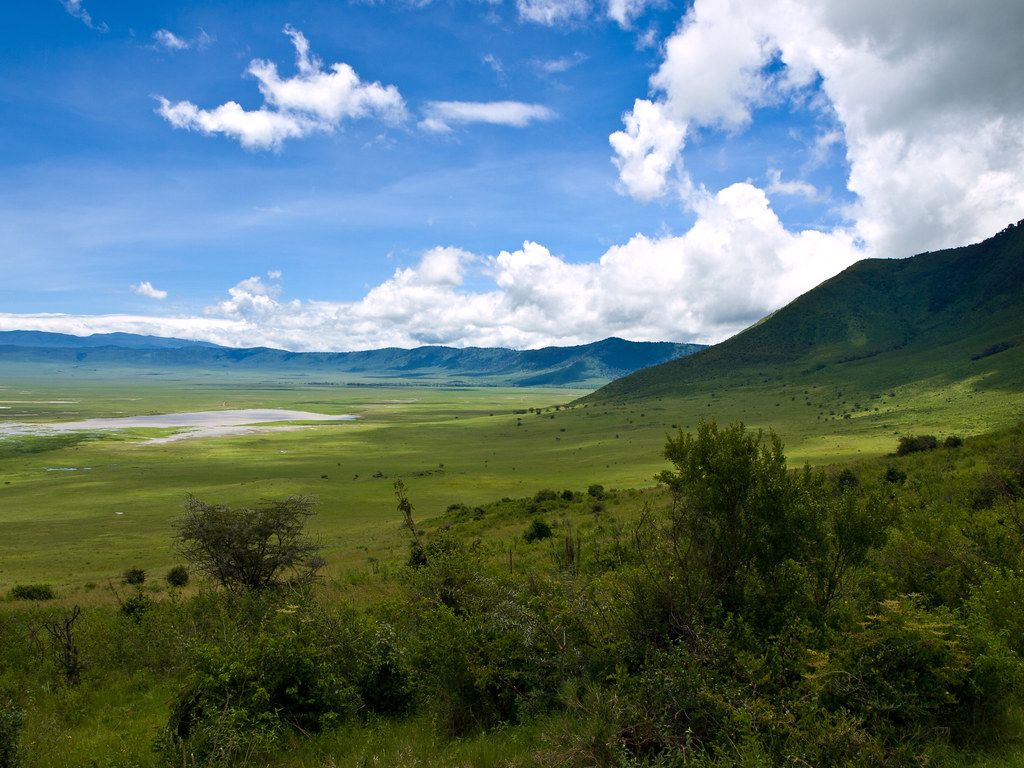
West of Arusha, the road to the Serengeti climbs out of the Rift Valley into cool, green highlands. Near the top it reaches the rim of Ngorongoro, a volcano that collapsed in on itself long ago and left a bowl of grassland, swamp and lake hundreds of metres below. A couple of hours back down the road, on the other side of the Rift, Tarangire is a park of baobabs and a seasonal river that draws elephants in large numbers in the dry months. Most journeys in northern Tanzania pass both.
The crater
From the rim, the crater floor looks close enough to touch. The walls drop steeply for around six hundred metres to a flat floor roughly twenty kilometres across, with a soda lake shining in the middle, patches of swamp and a small forest of yellow-barked acacias. Clouds often pour over the rim in the morning and burn off as the day warms. Up here it is cold at dawn, and the forest on the rim is wet and green.
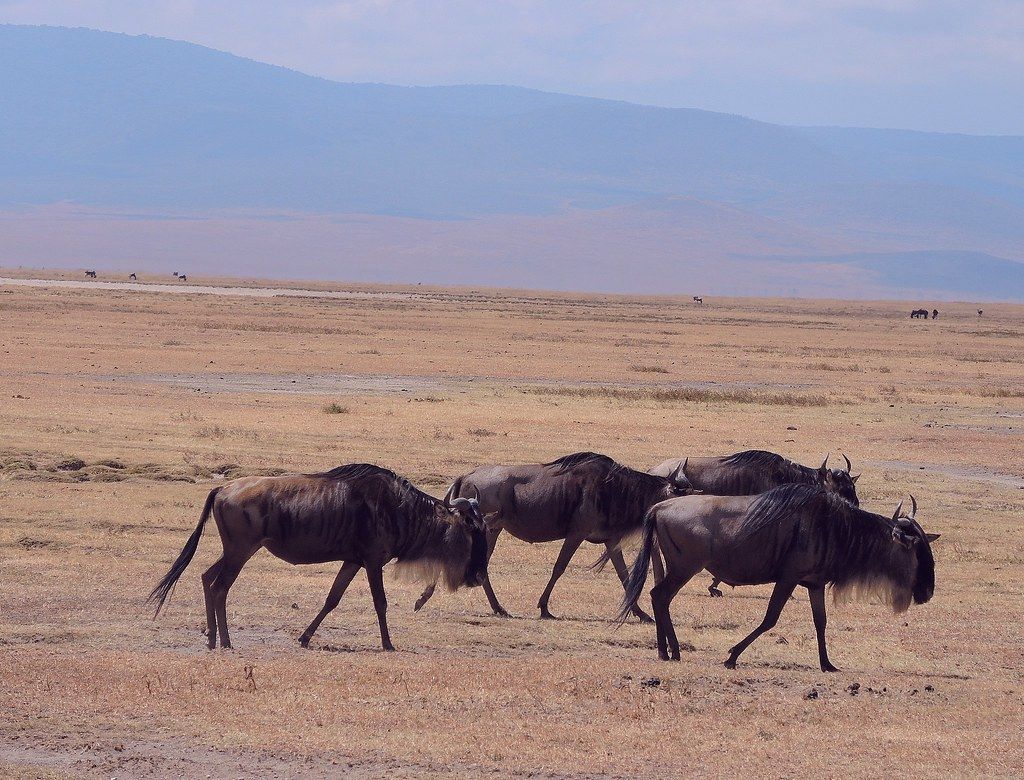
The crater floor holds a dense population of animals, and because the walls enclose it, many of them stay all year. Wildebeest, zebras and buffalo graze the grassland. Lions and spotted hyenas are common, and hunts often happen in the open. Hippos wallow in the pools, and flamingos gather on the lake when the water suits them. Elephants on the floor are mostly older bulls. Giraffes are absent, the usual explanation being that the steep walls and the lack of suitable trees keep them out.
Black rhino
The crater is one of the best places in East Africa to see a black rhino in the wild. The population is small, closely monitored and protected, and the open floor makes the animals easier to see than in thick bush, though often at a distance. A good pair of binoculars matters here more than almost anywhere else.
Black rhinos are browsers, with a pointed, hooked upper lip for taking leaves and twigs, and they are wary of vehicles. Keep to the tracks, stay well back and let the animal decide how close the meeting gets. Pressure from vehicles is one of the reasons for the rules on how long you may stay on the crater floor.
Maasai land and grazing rights
The crater sits within the Ngorongoro Conservation Area, set up in 1959 as a place where people and wildlife share the land. Maasai families have lived and herded cattle across the highlands around the crater for generations. Under the conservation area's rules, they have been allowed to graze livestock and to bring cattle down to the crater for water and salt, while farming and permanent settlement inside the crater have been restricted.
The balance between conservation, tourism and the rights of the people who live there has long been argued over. In recent years, government programmes to move residents to other districts have been widely disputed, and the situation continues to change. When you travel through, remember that the herders and villages you pass are home to people with their own claim to the land, not part of the view. Ask before taking photographs, and accept a no.
The conservation area also includes Olduvai Gorge, where fossils of early humans and their tools have been found, and the southern short-grass plains where the migration calves each year before moving into the Serengeti. A small museum at the gorge explains the finds.
The descent into the crater and the climb back out are on steep, narrow roads, some of them one way, and they can be slippery after rain. Allow time, and enjoy the views from the rim before you go down.
Tarangire's elephants and baobabs
Tarangire National Park lies south of the main road between Arusha and the crater. It is named for the Tarangire River, which runs through the park and keeps some water through the dry season. From roughly June to October, as the surrounding land dries out, animals move in from a wide area to drink, and the elephant herds along the river can be very large.
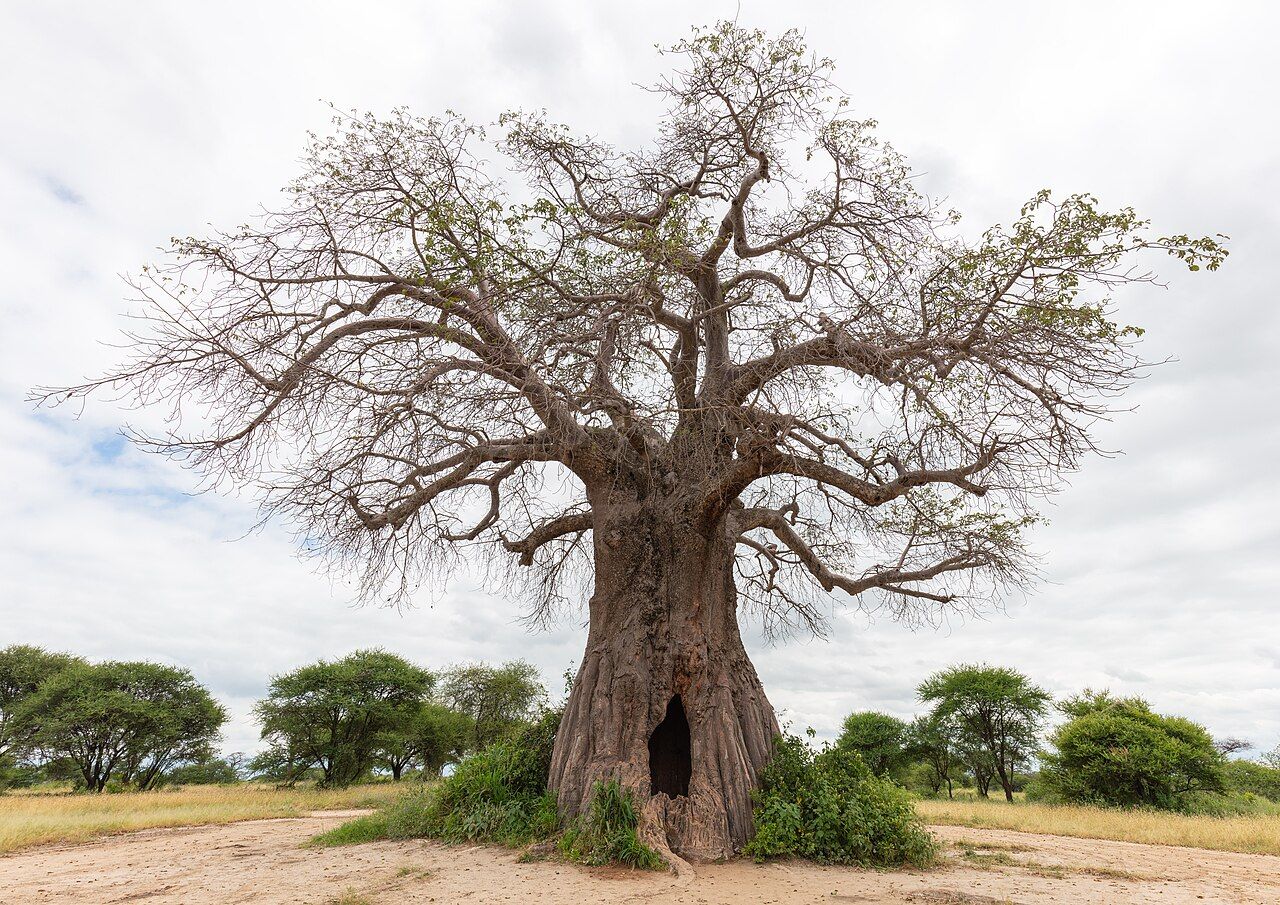
The baobabs are what most people remember. These huge, thick-trunked trees stand across the park's hills and plains, bare for much of the dry season, with their grey bark often scarred where elephants have stripped it for moisture. Some are believed to be many centuries old. In the dry months, with the grass gone gold and elephants moving between the trees, Tarangire looks unlike anywhere else on the circuit.
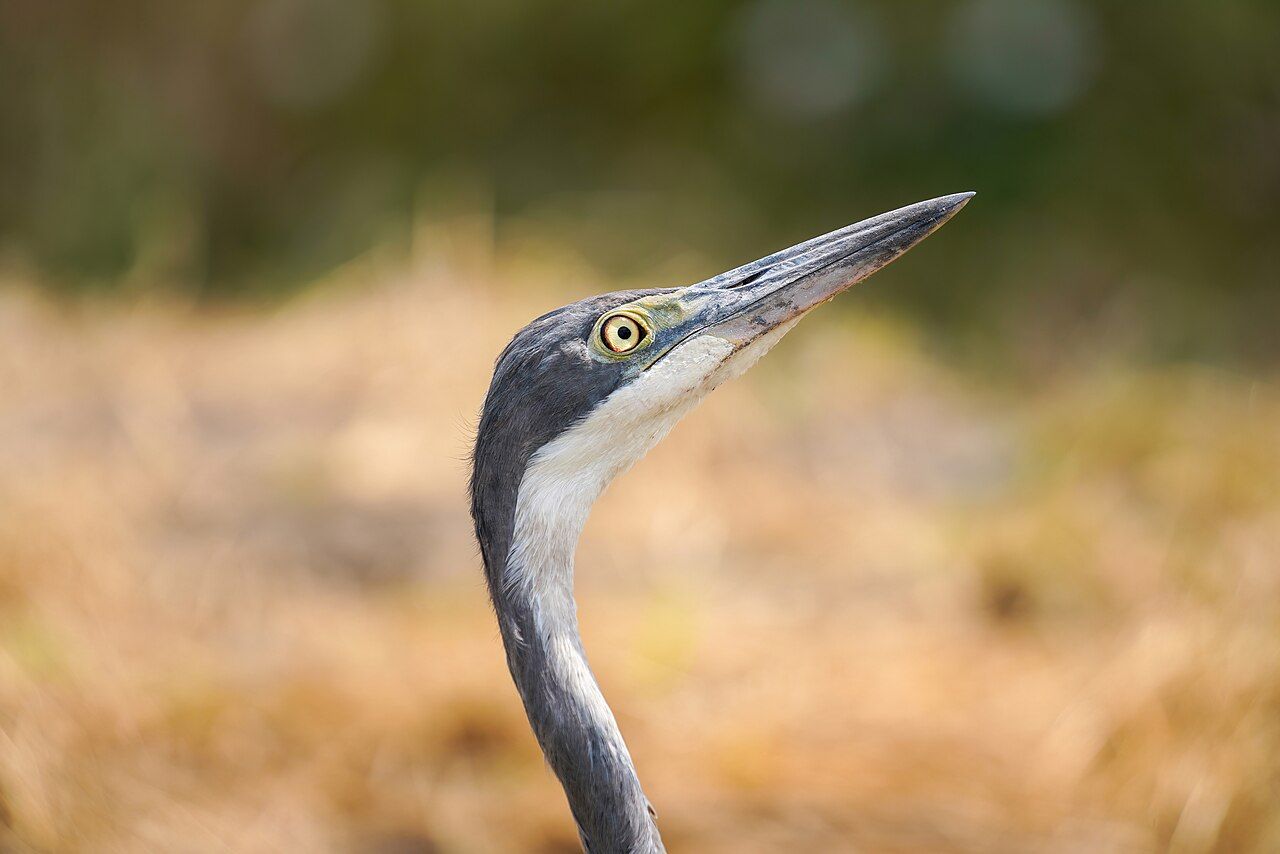
Besides elephants, the park holds buffalo, zebras, wildebeest, giraffes, lions and leopards, along with oryx and lesser kudu in the drier parts. The birdlife is rich, especially in the wet season. Tsetse flies are common in the woodland and can bite; they are attracted to dark blue and black clothing, so wear light, neutral colours.
Seasons and planning
The crater is good all year, because its animals stay put. Tarangire is at its best in the dry season, roughly June to October, when the elephants gather along the river. In the wet months, many animals disperse and the park is quieter, though greener. Lake Manyara, on the road between the two, has a lake and forest of its own.
From Nairobi, the usual road route crosses the border at Namanga to Arusha, a long day's drive, with Tarangire a further two hours or so and the crater rim around three to four hours beyond Arusha. Flights connect Kenya and Tanzania, and airstrips serve the parks. A separate Tanzanian visa is required, and time limits apply on the crater floor. Combining these parks with the Serengeti makes a natural trip, but you cannot drive across from the Masai Mara inside the parks. For conduct around wildlife, see the page on ways to go on safari.