
The wildebeest migration has no border. The great herds move in a long loop between the Masai Mara in Kenya and the plains of northern Tanzania, following the rain and the grass. For a few months each year, roughly July to October, part of the herds is in the Mara. For the rest of the year, they are in Tanzania, spread across the Serengeti and the plains to its south. If you want to see the migration outside the Mara's season, or to see it at the moment of calving, this is where you come.
Serengeti National Park covers a vast area of grassland, woodland and river country in northern Tanzania, bordering the Mara to the north and the Ngorongoro Conservation Area to the southeast. The name is usually explained as coming from a Maa word for endless plains, and in the south, where the short grass runs to the horizon, it feels that way.
The migration's circuit
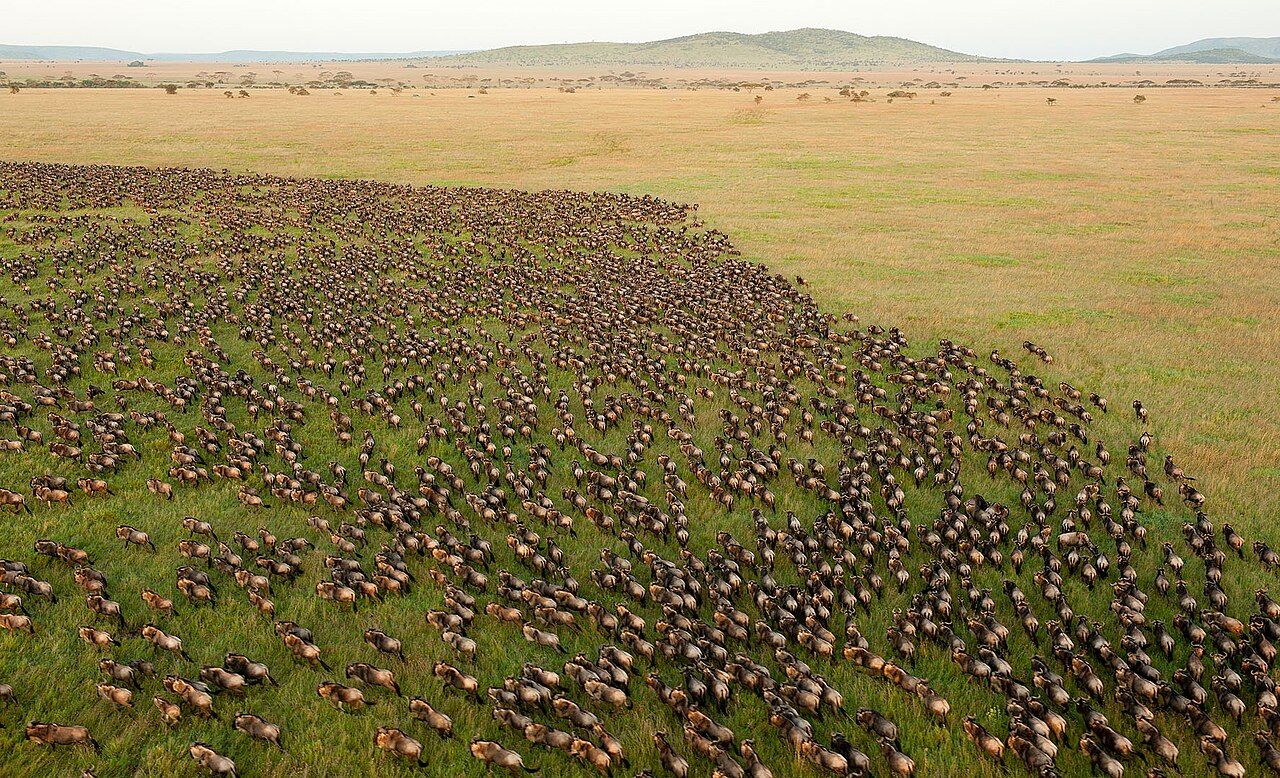
Around a million and a half wildebeest, along with hundreds of thousands of zebras and gazelles, move in a circuit through the year. The pattern is broadly the same each year, but the timing and route change with the rain, and no one can say in advance exactly where the herds will be in a given week.
In broad terms, the herds spend the short rains and the first months of the year on the southern plains, where they give birth. As the plains dry out and the long rains arrive, roughly April and May, they move north and west through the centre of the park and into the Western Corridor, where they cross the Grumeti River. From around July, they move north towards the Mara River and into Kenya. As the short rains begin, roughly November, they return south, back towards the short grass where the cycle begins again.
That is the outline. In practice, the herds split, merge, pause and double back. A late rain or a dry spell can shift everything by weeks. The best way to plan is to understand the general pattern, choose an area for its own merits, and accept that the herds may or may not be in front of you.
Each part of the circuit has its own character. The Western Corridor, a long arm of the park reaching towards Lake Victoria, is where the herds cross the Grumeti River, usually somewhere around May to July, and large crocodiles wait in its pools. The northern Serengeti, towards the Kenyan border, is where they cross the Mara River from around July, at the same river that draws crowds on the Kenyan side. The crossings are dramatic and often hard to watch, and they draw many vehicles; patience and good conduct at the river matter as much as luck.
Calving in the south
From roughly January to March, the herds gather on the short-grass plains in the southern Serengeti and the neighbouring part of the Ngorongoro Conservation Area. The soil here is volcanic, formed from ash blown from the highlands to the east, and the grass that grows on it is rich in minerals. Wildebeest give birth in large numbers over a few weeks, with a peak usually around February.
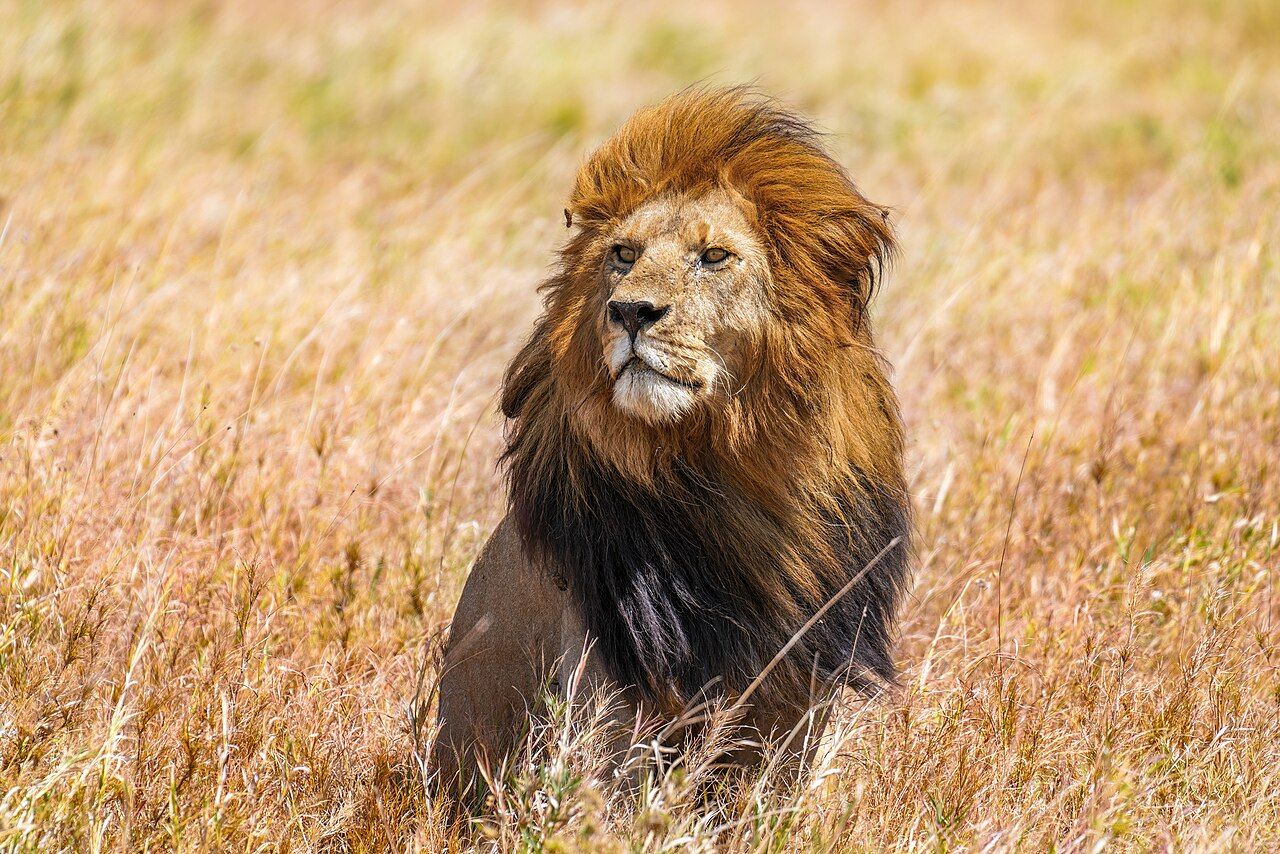
Within minutes of birth, a calf stands and runs alongside its mother. The sheer number of births in a short time means that predators cannot take them all, and that is the herd's defence. Lions, cheetahs, spotted hyenas and jackals gather on the plains, and the hunts happen in the open, often close to the tracks.
A late rain or a dry spell can shift everything by weeks.
Calving is one of the most intense wildlife spectacles anywhere, and it calls for restraint. Stay on the tracks, keep back from the herds and do not drive into them. A mother and calf separated in the first hours may never find each other again.
Kopjes
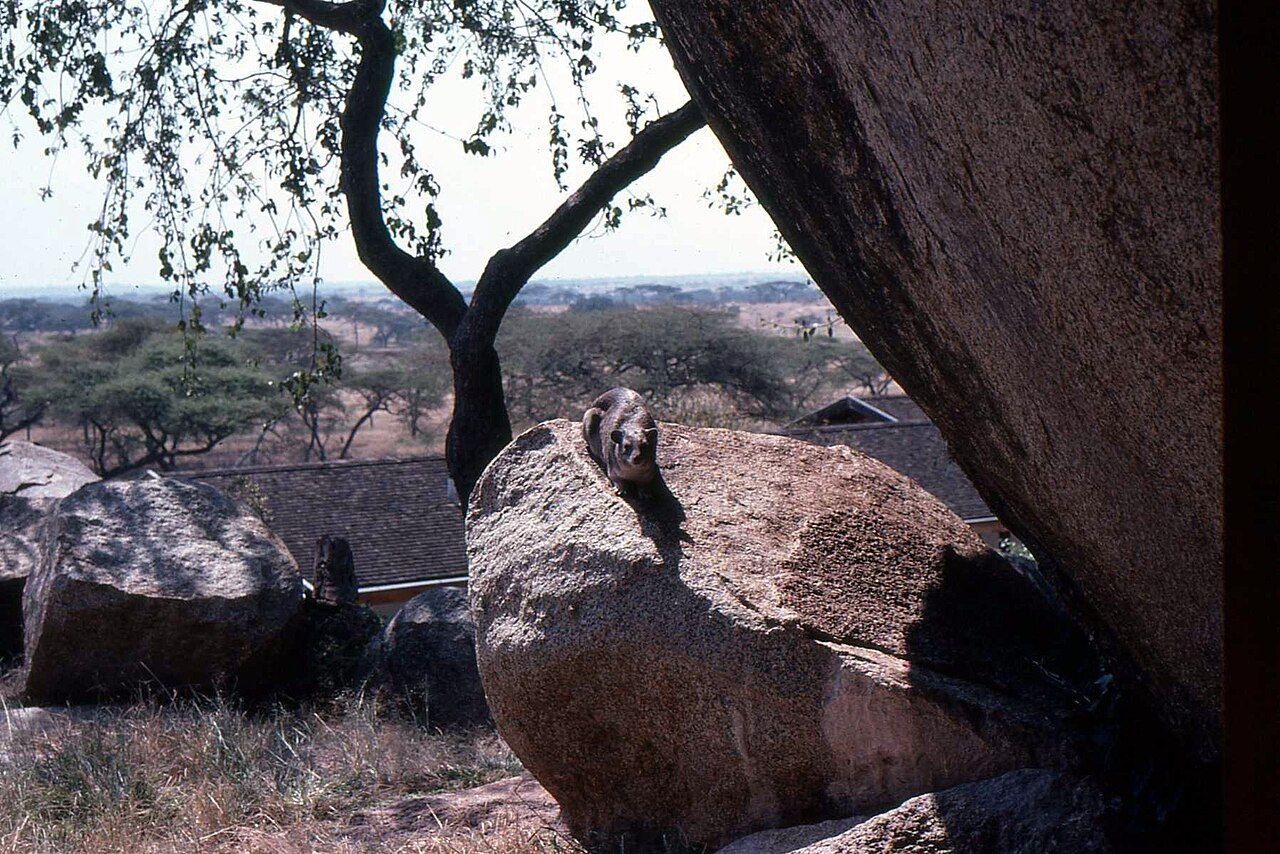
Scattered across the plains are kopjes, outcrops of granite boulders that rise from the grass like islands. They are far older than the volcanic soil around them, the tops of ancient rock exposed as the land eroded. Kopjes hold water in their cracks and shade among their boulders, and trees and shrubs grow on them that cannot survive on the open plain.
They are home to rock hyraxes, klipspringers, agama lizards and many birds, and lions use them as lookouts and resting places, lying on the warm rock in the early morning. Leopards sometimes rest in the trees around them. Some kopjes have rock paintings made by Maasai, and one group has a rock that rings when struck, used in the past as a gong.
Treat kopjes as you would any other wildlife area. Climbing them is not allowed in most places, and a lion resting on the far side of a boulder is easy to miss. Stay in the vehicle unless you are at a marked site where getting out is permitted, and scan the rocks slowly with binoculars before deciding a kopje is empty.
Crossing the border, plainly
The animals move freely between Kenya and Tanzania. Vehicles do not. There is no crossing for visitors between the Masai Mara and the Serengeti inside the parks, and the old border post between them has long been closed to tourist traffic. You cannot drive from one to the other directly.
To see both, you either fly, or drive out of the Mara and cross at one of the main border posts. The most common route from Nairobi is via Namanga to Arusha, which takes most of a day, with the Serengeti a further long drive beyond. Another route crosses the border at Isebania and Sirari, near Lake Victoria. Either way, you need a separate Tanzanian visa and must follow both countries' entry rules.
Many people combine the Serengeti with Ngorongoro and Tarangire on a single trip through northern Tanzania, and treat the Masai Mara as a separate trip in Kenya.
Seasons and planning
The Serengeti is open all year. The calving season, roughly January to March, and the dry season, roughly June to October, are the most popular. The long rains, roughly April and May, make some tracks difficult, but the land is green and there are far fewer vehicles. The central Serengeti, around the Seronera River, has resident wildlife all year, including big cats, so it is worth visiting whatever the herds are doing.
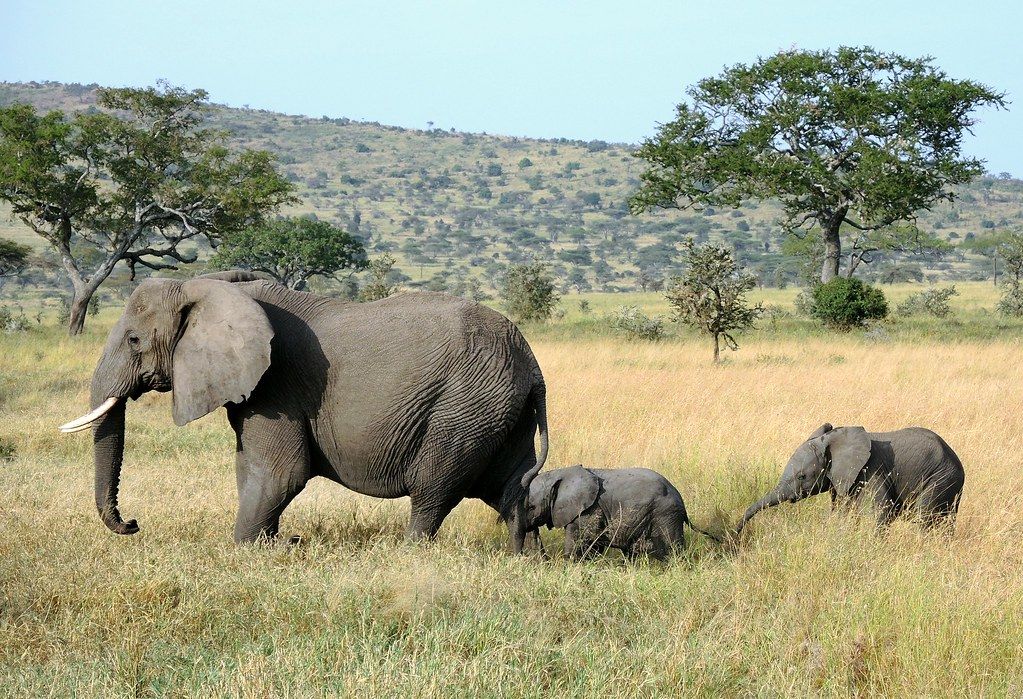
Wherever you go, plan on long days. Distances inside the park are great, tracks are rough and dusty, and most of the best viewing happens in the first and last hours of daylight. Staying in more than one area, rather than driving long distances each day, gives you more time with the animals and less time on the road. A good pair of binoculars and a scarf against the dust make the long drives easier.
For more on Kenya's seasons and what they mean for planning, see when to go on safari.